
Contact Angle Measurements Proven in Production
Measure and control surface energy in real time to prevent adhesion failures and ensure every part meets specification.
Why Contact Angle Measurement Matters
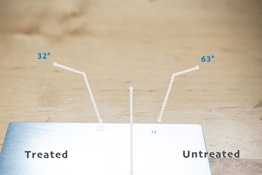
Contact angle measurement is the most effective way to verify that surfaces are clean, chemically prepared, and ready for bonding or coating. By quantifying surface energy, manufacturers can detect contamination invisible to the eye, confirm the success of cleaning and plasma treatments, and ensure consistent process control from lab to production line.
Quality Surface Readiness with Contact Angle Measurement:
- Quantify Surface Readiness: Detect invisible contamination that disrupts adhesion.
- Validate Surface Treatments: Confirm that cleaning, plasma, or abrasion processes achieve the optimal surface condition for reliable adhesion and coating performance.
- Control Process Quality: Capture repeatable, objective data that helps maintain production specifications and prove process reliability over time.
Request a Demo
Contact Angle Technology for Every Application
Surface Preparation

Prep steps don’t always produce the same surface.
Flame, plasma, abrasion, and cleaning can vary from part to part and shift to shift.
Measuring the surface after prep confirms it was done correctly and ensures reliable bonding or coating.
Environmental Exposure

Prepped surfaces change faster than you think.
Time, humidity, and handling can degrade surface quality before bonding ever happens. Monitoring how environmental factors affect performance helps you control risk over time.
Material Qualification

Meeting print specs doesn’t guarantee a surface is ready.
Surface performance still varies across materials, suppliers, and lots.
Verifying incoming parts ensures you qualify vendors, enforce standards, and choose materials you can trust.

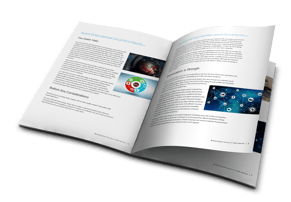
Free Guide:
The Future of Manufacturing and Intelligent Adhesive Bonding
Modern manufacturing demands surfaces that bond reliably every time. This guide explores how today’s leading engineering teams are transforming their bonding, coating, and assembly processes using data-driven surface intelligence.
Inside the Guide, You’ll Learn:
- Why traditional assumptions about "clean" surfaces lead to unpredictable adhesion.
- How real-time surface measurements improve bonding strength and reduce rework.
- New methodologies for designing more reliable adhesive processes.
- How advanced tools that take contact angle measurements support intelligent manufacturing.
- Strategies for creating repeatable, specification-driven surface preparation workflows.
Who This Is For:
Engineers, quality leaders, and manufacturing teams working to improve bonding performance, eliminate adhesion failures, or build more robust surface preparation standards.
Get the eBook:
Trusted by companies in the world’s most demanding industries

Frequently Asked Questions
- What is contact angle measurement?
-
It’s a fast, quantitative method for evaluating surface energy by analyzing how a liquid droplet interacts with a surface.
- How does contact angle measurement related to adhesion?
-
A low contact angle indicates high surface energy and strong adhesion potential.
- Can contact angle measurements be used in production?
-
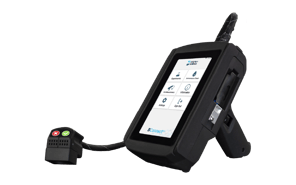
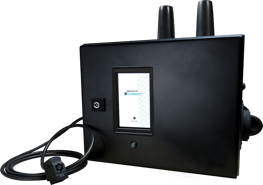
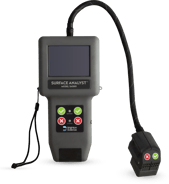
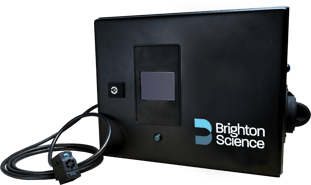
Yes. Brighton’s Surface Analyst systems are designed for real-time use on the line, not just in the lab.
- What materials can be measured?
-
Virtually any solid surface, including metals, polymers, glass, and composites.
- How does BConnect improve contact angle measurement?
-
It connects your measurements to process and quality data, providing traceability and analytics across operations.
Recent Articles
The Hidden Variable in Surface Prep: The Human Factor
Precision Surface Measurement Redefined: Quality Use Cases for BConnect
Brighton Science is the global leader in surface intelligence.