
Professional Services
Consulting Services

Brighton Science provides specialized consulting and laboratory testing focused on surfaces, surface preparation, bonding and coating processes, and interfaces specifically the first few molecular layers of material where adhesion succeeds or fails.
That’s where great products are built.
That’s where costly failures start.
And that’s where we work.
We are a surface science consultancy for organizations that need to define, diagnose, and control the surface conditions that determine whether bonding, coating, sealing, or printing will perform reliably in production.
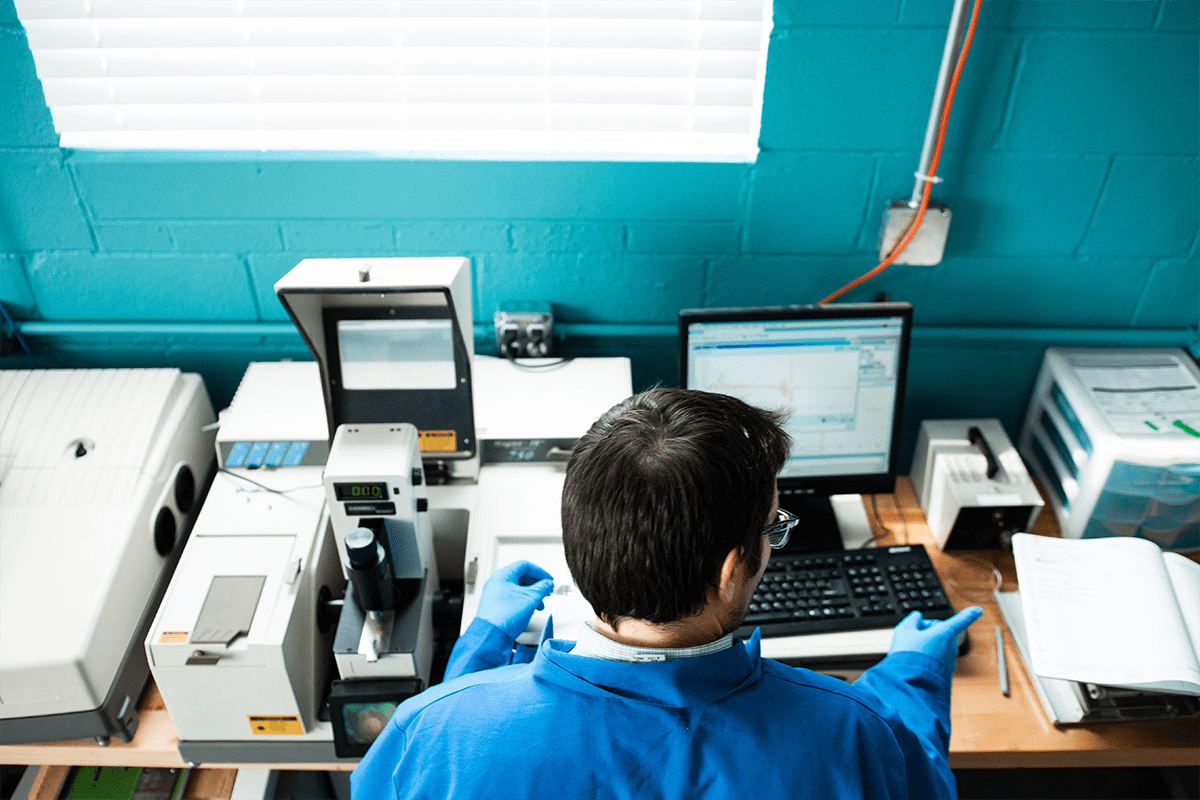
We integrate strategic risk and quality system considerations with rigorous surface characterization and adhesion testing, using techniques such as XPS, FTIR, contact angle measurement, and fracture analysis to understand interfacial performance.
Organizations choose us when surface performance is mission-critical. Whether they are launching a high-risk program, facing a major adhesion failure, qualifying suppliers, or advancing fundamental materials research.
Over decades, we’ve worked with hundreds of customers on thousands of real-world surface challenges across aerospace, automotive, electronics, medical device, defense, and advanced materials manufacturing. That experience led us to create the Surface Intelligence Maturity Model, Designed to help manufacturers benchmark their current capabilities and identify actionable steps to improve product quality, reduce waste, and strengthen supplier collaboration.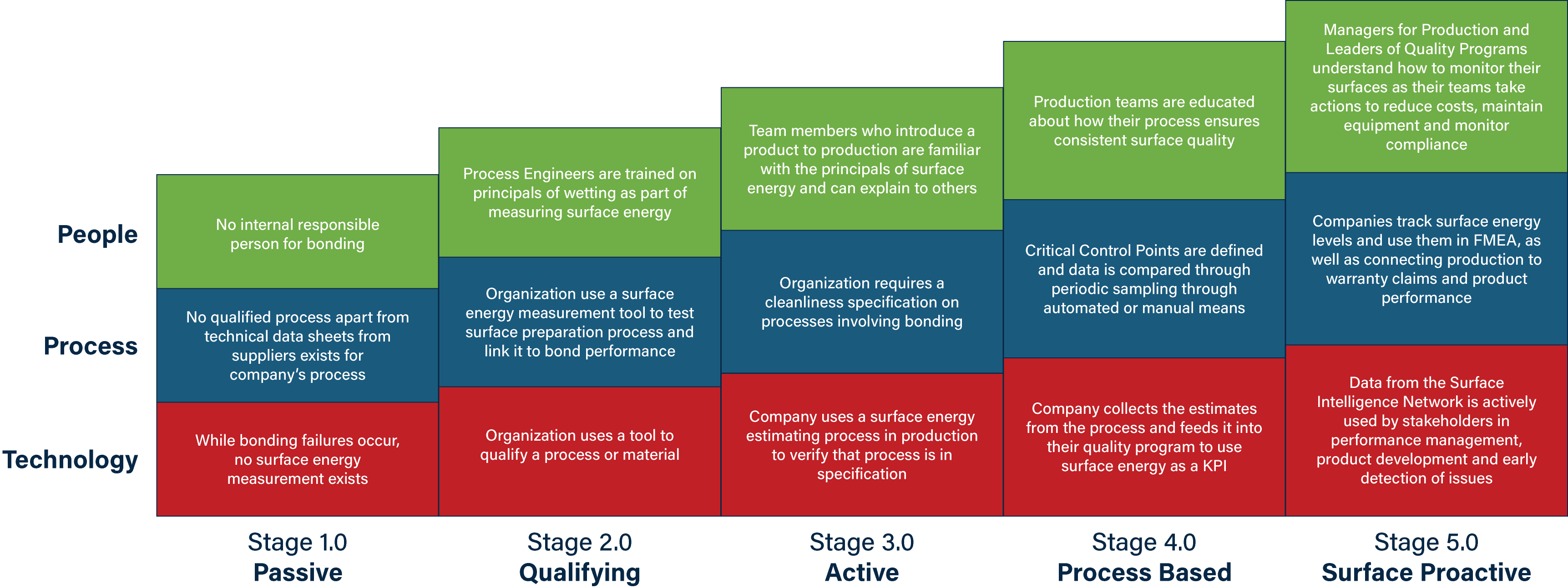
Across the Surface Intelligence Maturity Model, organizations engage us at different inflection points. Some need help defining their first measurable surface specification. Others are ready to monitor and control surface state across production. And some call us when a mature process begins to drift and performance is at risk.

.png?width=218&height=225&name=SIMM%20(BOOK%20with%20SHADOW).png)
What We Do
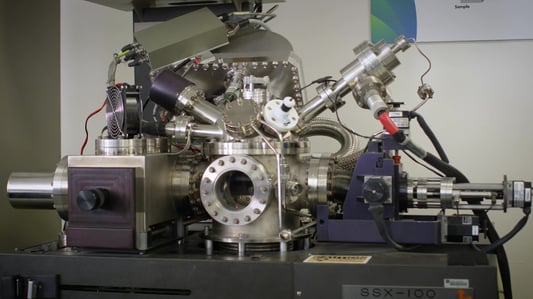
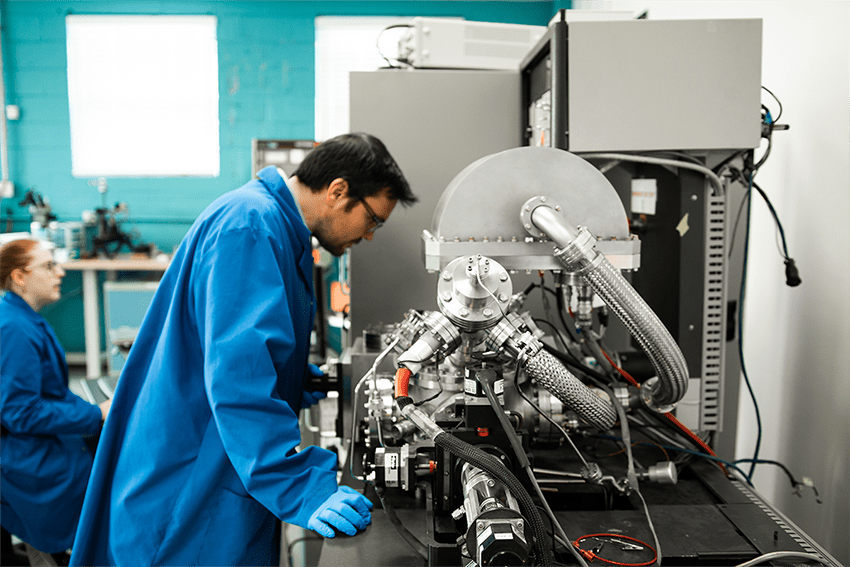
Reliable bonding and coating processes begin with understanding the chemical state of the surface. These analytical techniques allow us to characterize surface composition, contamination, and surface energy at the molecular level.
- X-ray Photoelectron Spectroscopy (XPS)
- Fourier Transform Infrared Spectroscopy (FTIR)
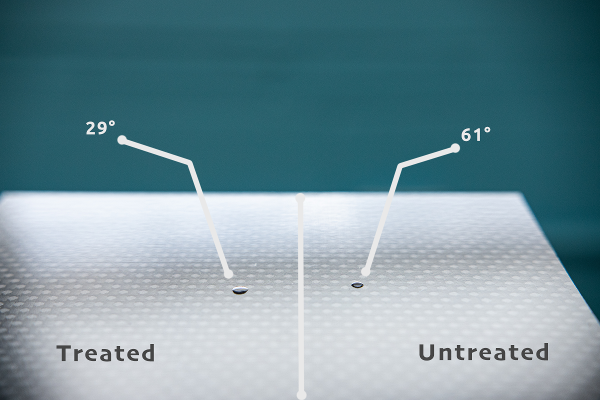
- Water contact angle (WCA) and surface energy analysis
- Scanning Electron Microscopy (SEM)
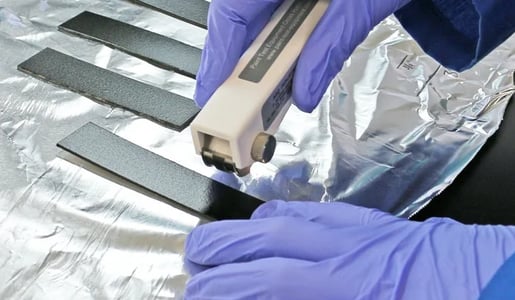
Surface chemistry must ultimately translate into reliable mechanical performance. These test methods allow us to quantify bond strength, fracture behavior, and coating adhesion under controlled conditions.
- Single lap shear
- Double cantilever beam (DCB)
- Floating roller peel / 90° peel
- Stud pull and crosshatch testing
- Wedge-crack
Surface preparation processes determine whether a material is truly ready for bonding or coating. We evaluate cleaning, abrasion, and plasma treatments to determine how effectively they create the surface conditions required for consistent adhesion.
- Grit blasting
- Vacuum and atmospheric plasma
- Solvent remediation chemistry down selection and validation
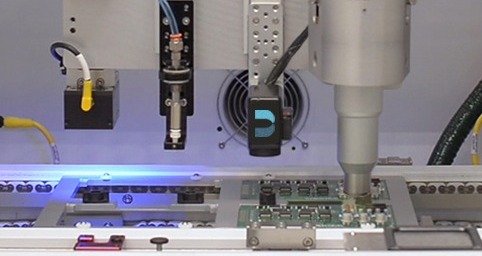
Some challenges require deeper investigation into the chemistry and physics occurring at the interface. Our research capabilities allow us to study degradation mechanisms, environmental effects, and molecular-level changes that influence long-term adhesion and coating performance.
- Chemical degradation pathway analysis
- Environmental and moisture-driven aging
- Composite microcracking mechanisms
- Functional group evolution under service conditions
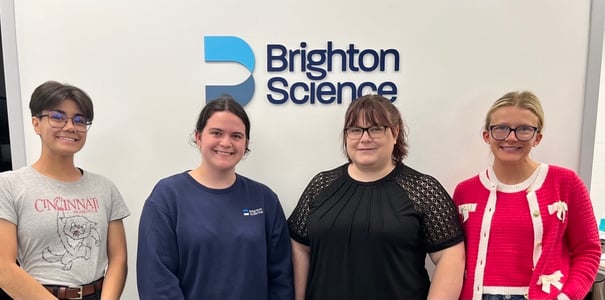
Core types of consulting support
Root Cause Failure Analysis 
This is often how relationships begin, and most often engaged by Stage 2–4 organizations when a defined process begins to produce unexpected results.
We investigate:
• Adhesion failures in bonded structures
• Coating delamination
• Field returns and warranty events
• Lot-to-lot variability
• Contamination-related bonding issues
Typical projects include:
• Analyzing failed bond surfaces for contamination or chemistry shifts
• Identifying slip agents or packaging-induced contamination
• Evaluating plasma effectiveness and recontamination pathways
• Assessing environmental exposure impacts on bond integrity
We combine surface chemistry analysis (XPS, FTIR, contact angle) with fracture analysis and process review to isolate what changed and why. This is where mature specifications are stress-tested, and where we identify whether the issue lies in contamination, treatment drift, material variability, environmental exposure, or a gap in the original specification.
Sometimes the answer is contamination.
Sometimes it’s over- or under-treatment.
Sometimes it’s moisture-driven degradation in composite matrices.
Our role is to move you from symptoms and unknown mechanisms to critical answers.
Surface Cleaning & Treatment Down Selection
This work is common for Stage 1–3 organizations formalizing or upgrading their surface preparation processes. Many projects involve helping manufacturers determine:
• Which cleaning chemistry to use when a legacy product is discontinued
• Which plasma treatment recipe produces stable adhesion
• How to remediate a known contaminant
• Whether abrasion, plasma, or solvent systems are most effective
We frequently:
• Design controlled contamination studies
• Develop plasma recipes
• Evaluate grit blasting parameters
• Compare treatment alternatives experimentally
This work is common in aerospace, defense, packaging, and electronics manufacturing. The outcome is a validated preparation method and a measurable specification you can monitor in production.
Adhesive & Coating Evaluation
For manufacturers introducing new materials or bonding dissimilar substrates, we help:
• Select appropriate adhesives for new materials
• Evaluate coating systems
• Link surface condition to mechanical bond strength
• Define surface specifications that correlate to performance
In some cases, this evolves into:
• Building test matrices
• Establishing water contact angle or chemistry-based specifications
• Creating quality control metrics for bonding processes
This is where molecular surface state meets measurable mechanical performance. For many Stage 2–3 teams, this is the transition point between development and controlled production. Where correlation between surface state and bond strength becomes a formal quality metric.
Product-Facing Surface Specifications
We also work directly with adhesive and coating manufacturers to strengthen their technical data and customer guidance.
Projects may include:
• Developing surface preparation guidance for technical data sheets
• Establishing measurable surface specifications tied to bond performance
• Designing validation studies that customers can replicate
• Clarifying how surface energy or chemistry influences product performance
This work improves customer success, reduces application failures, and strengthens technical credibility in competitive markets. It allows material manufacturers to provide customers with not just performance data, but measurable surface criteria that can be monitored and verified.
Strategic Advisory, Training & Research Partnerships
In addition to discrete projects, we provide:
• Technical retainers (serving as an extension of your materials team)
• Process walks and facility audits
• Structured test plan development
• Internal training on adhesion science, solvent selection, surface prep, and plasma treatment
• Support on research programs and SBIR/STTR collaborations
We also conduct fundamental research into topics such as:
• Environmental aging and moisture effects in composites
• Degradation pathways in polymer matrices
• Surface/interface chemistry changes over time
This is where surface control moves from project-based troubleshooting to embedded organizational capability.
Solve Your Toughest Surface Challenges with Brighton Science Consulting.
Expert guidance. Measurable insights. Confident decisions.
Start a conversation with our team to explore how Brighton Science consulting can help you:
- Diagnose complex bonding and coating failures.
- Establish measurable surface specifications for reliable production.
- Evaluate cleaning, treatment, and material options.
- Build internal capacity through training, advisory support, and research partnership.

Brighton Science is
the global leader
in surface intelligence.
Tell us your goals or challenges, and we can advise you on specific solutions you can put to work immediately or build into your optimization processes.
What could this mean for you?