Key Takeaways
-
"Clean" isn't a visual call — it's a measurable surface property, and most industry-standard tests (like the wash Millipore test) measure the wash tank, not the actual part surface.
-
A surface cleanliness specification defines an acceptable water contact angle (WCA) range for a given material and process, not a single pass/fail number.
-
WCA testing gives product teams objective, repeatable data to answer "how clean is clean enough?" before failures show up downstream.
-
Building the spec early — during product development — creates a shared cleanliness standard across R&D, production, and your supply chain.
-
Tools like the Surface Analyst, paired with lab methods like XPS and FTIR, let Brighton Science help you define the right range for your specific material and application.
When cleaning invisible contaminants from a surface, you may ask yourself: How do I know when the surface is clean? How clean is clean enough? These are the exact questions product development teams run into when a surface needs to reliably accept an adhesive, coating, paint, or print.
It may seem obvious, but to succeed in these applications, surfaces must be properly cleaned, or manufacturers run the risk of bonding and coating failures. Simple enough. So why do failures in these applications still happen so often?
What Does it Actually Mean to Have a Clean Surface?
The industry has the easy part figured out. There are proven, widely used methods for controlling adhesive and coating composition, along with the application and curing process. But one key ingredient is missing: a relevant, working definition of "clean" as it relates to the quality of the surface state itself.
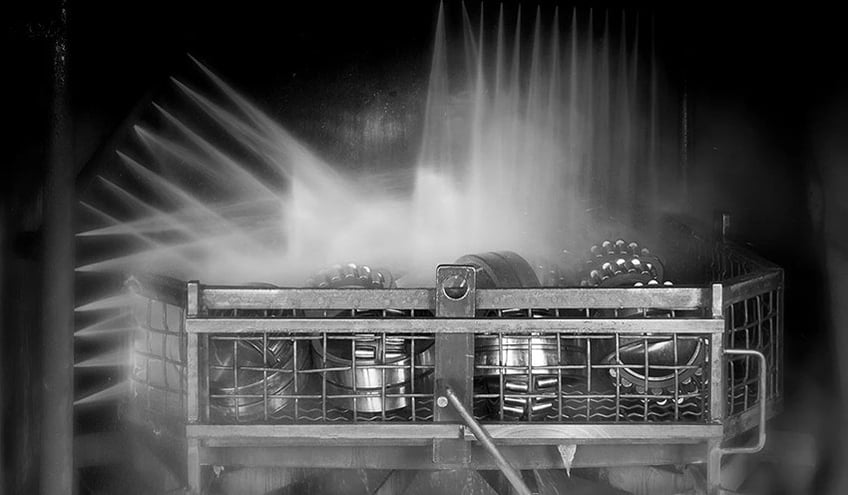
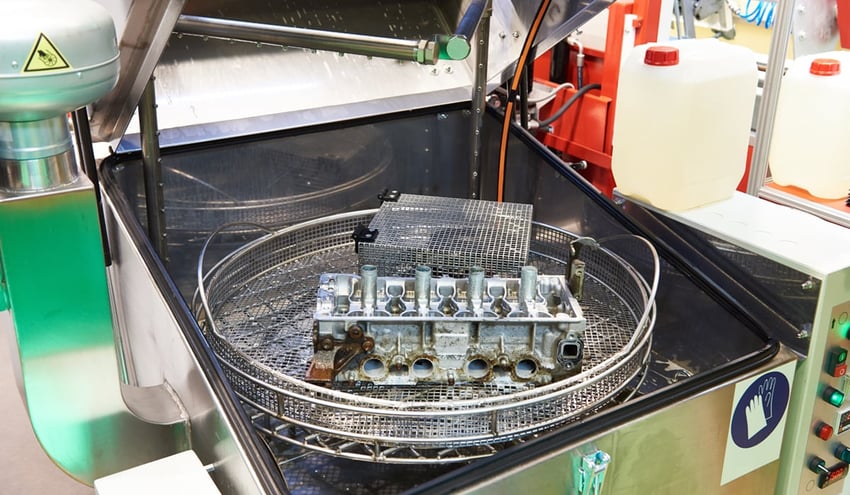
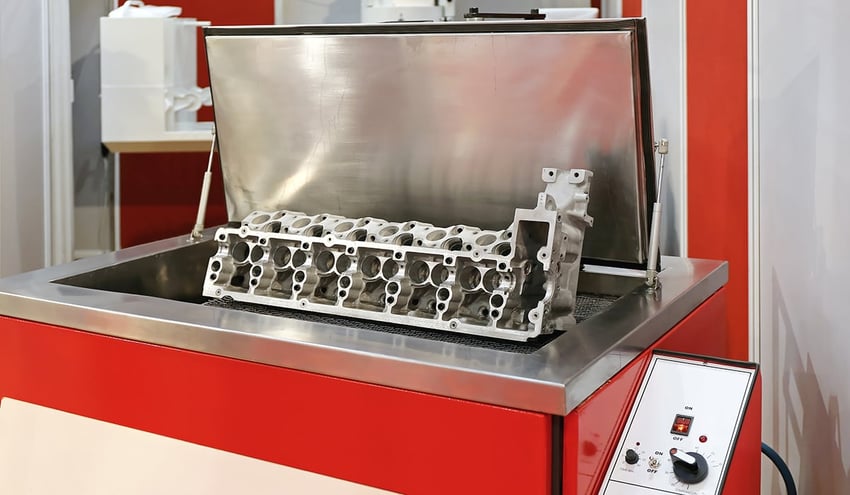
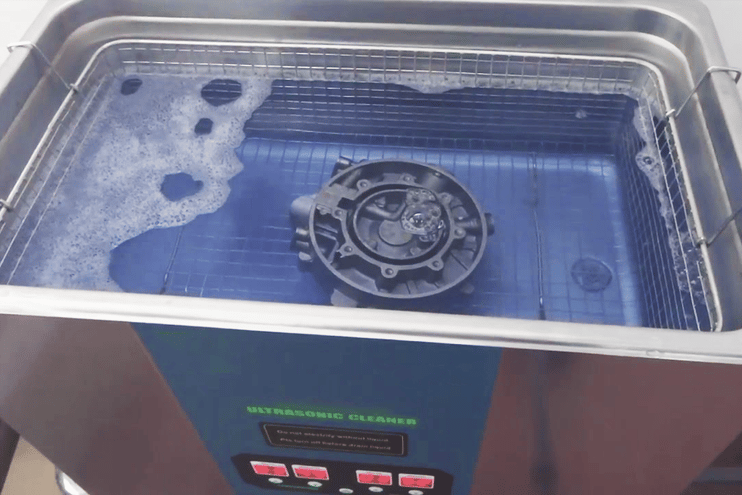
The current industry standard of "clean" doesn't actually measure surface cleanliness; it measures process parameters instead. Take the wash Millipore test: it quantifies particulates in a wash tank by filtering a solution sample and weighing the filter paper before and after. That tells you something about the wash tank. It tells you nothing about the chemical cleanliness of the part surfaces coming out of the wash.
How Can We Evaluate Chemical Cleanliness?
|
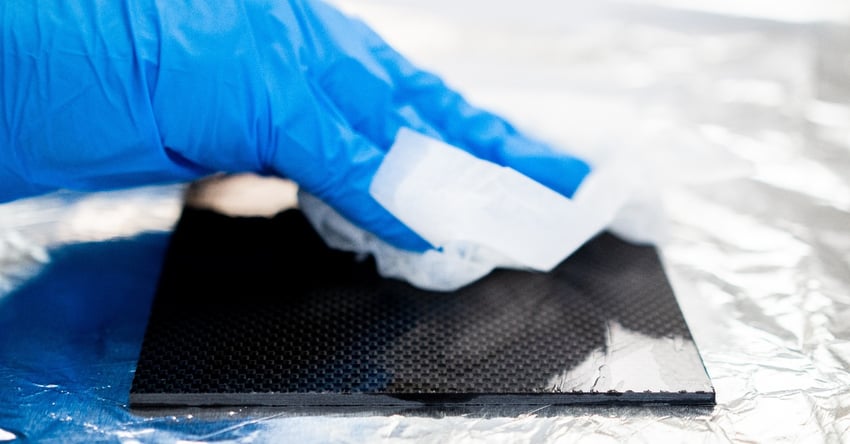
Traditional surface prep checks, dyne inks, water break tests, and other destructive lab methods are costly, inconsistent, and a dead end when you're trying to understand what's actually driving an adhesion failure.
|
|
How Clean is Clean Enough?
Until recently, there wasn't an objective, reliable way to answer this question. Surface cleanliness correlates directly with adhesive performance; to get something to stick reliably, the surface has to be clean. But what "clean" means changes depending on the material and the application.
Think of it like this: you clean your car differently than you clean your dishes. Why? One rides through rain, road grime, and exhaust; the other touches your food.
At Brighton Science, our answer to "how clean is clean enough?" is: it depends on what you're doing. Dozens of critical surface preparation processes exist across industries, and each one is different. PET used for food packaging is prepped differently than a nut plate for a fighter jet.
What every surface prep process has in common is a range of contact angles required for successful adhesion. As Figure 2 shows, there's rarely one "magic" contact angle; instead, there's a defined range that reliably produces good adhesion between two surfaces.
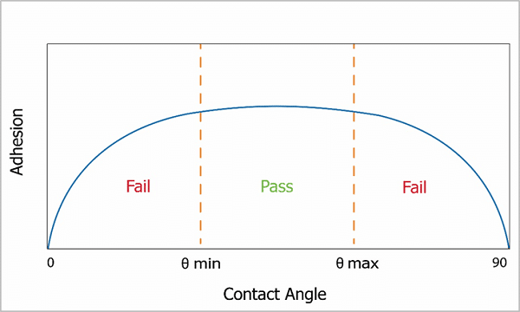 Figure 1. Pass range for successful adhesion.
Each surface preparation process is built around its specific application, end goal, and base material, which is exactly why a one-size-fits-all cleanliness rule doesn't work.
Contact Angle Specifications Redefine the Industry Standard of "Clean"
Using digital WCA tools like the Surface Analyst™ , product teams can build surface cleanliness specifications for new products and prep processes based on data, not guesswork. Introduced early in product development, a contact angle–based cleanliness spec creates a shared language and a shared cleanliness target across the whole organization, and often the supply chain, from R&D through mass production.
Managing critical cleaning processes with data reduces risk across the product lifecycle, cuts waste, frees up product teams from firefighting surface-quality problems they can't see coming, and, most importantly, eliminates adhesion and coating failures for a more reliable end product.
Optimize the power of next-gen connectivity with data & surface intelligence.

How to Create Contact Angle Cleanliness Specifications
Using tools like XPS (X-ray Photoelectron Spectroscopy), FTIR (Fourier Transform Infrared Spectroscopy), and the Instron, Brighton Science's Materials and Processing Laboratory dissects surface preparation processes to determine surface chemistry and composition, identify bond failure tolerances, and pinpoint the contact angle range your surface needs to hit to perform as expected.
Brighton Science helps you answer "how clean is clean enough?" by building the right surface quality specification for your process, selecting the proper cleaning equipment or technique, and streamlining quality compliance across your supply chain.
Whether you're building the next electric vehicle held together primarily by adhesives, developing next-generation advanced coatings, or manufacturing personal electronics that have to perform reliably at scale, Brighton Science partners with your team to help you know — with data, not guesswork — that your surfaces are clean enough to perform.
Don't settle for inefficient cleaning processes! Download our free industrial cleaning guide, "Metrics That Matter: Quantifying Cleaning Efficacy for Manufacturing Performance," and empower your teams to achieve optimal results.