


Window Manufacturers Evolve from Dyne Inks to the Surface Analyst
Key Takeaways A window and door manufacturer needed a more objective, non-destructive way to verify plasma treatment. Dyne inks created challenges due to mess, subjectivity, and part damage. Transitioning away from dyne required maintaining dyne-based language for suppliers and customers. The...
Read
Topics:
Posts by Topic
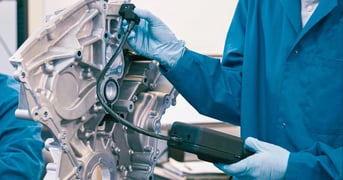
Optimizing Parts Washer Efficiency for FIPG
Key Takeaways The reliability of formed-in-place gaskets (FIPG) depends heavily on surface cleanliness before sealant application. Automotive manufacturers often struggle to verify and control industrial parts washer performance, creating risks for leaks, failures, and costly rework. Objective...
Read
Topics:
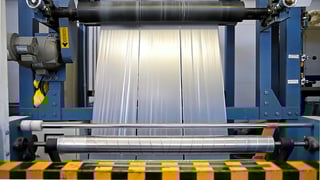
Identification of a Non-Obvious Contaminant on Polymer Film
Key Takeaways A major packaging manufacturer was experiencing intermittent heat seal failures on a polymer film that should have behaved consistently. Dyne pens showed no difference between good film and bad film, which initially misled the team. Brighton Science identified a subtle contaminant...
Read
Topics:

How NKT Photonics Eliminated Bond Failures with Surface Intelligence
Challenge When NKT Photonics was forced to internalize its aluminum etching and surface preparation processes after losing a supplier, the transition led to unexpected bond failures. Despite duplicating the equipment and processes, the failures persisted, resulting in significant financial loss and...
Read
Topics: