
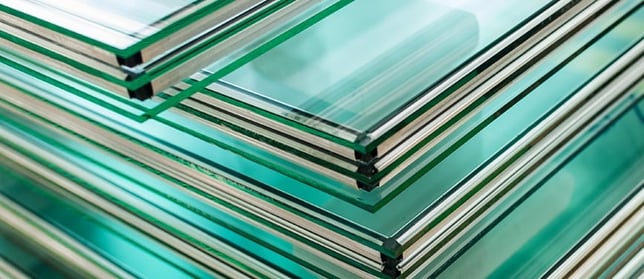
Window Manufacturers Evolve from Dyne Inks to the Surface Analyst
Key Takeaways A window and door manufacturer needed a more objective, non-destructive way to verify plasma treatment. Dyne inks created challenges due to mess, subjectivity, and part damage. Transitioning away from dyne required maintaining dyne-based language for suppliers and customers. The...
Read
Topics:
Posts by Topic
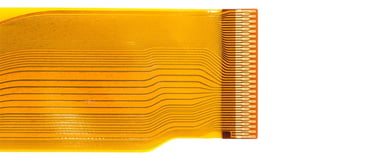
Supplier Quality Assurance for Circuit Board Printing
Key Takeaways Supplier changes can introduce subtle surface-related risks that traditional quality checks may not detect Circuit board printing on polyimide film is highly sensitive to surface cleanliness and consistency Without objective surface specifications, supplier quality expectations can...
Read
Topics:

Verifying Multi-Step Surface Preparation Processes in Aircraft Assembly and Repair
Key Takeaways Verification at every step is essential. Multi-stage surface preparation workflows in aircraft assembly and repair require stepwise validation to ensure each action contributes to a bond-ready surface. Unexpected contamination can originate within the process itself. In this case, a...
Read
Topics:
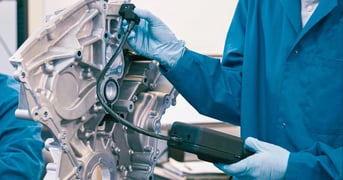
Optimizing Parts Washer Efficiency for FIPG
Key Takeaways The reliability of formed-in-place gaskets (FIPG) depends heavily on surface cleanliness before sealant application. Automotive manufacturers often struggle to verify and control industrial parts washer performance, creating risks for leaks, failures, and costly rework. Objective...
Read
Topics:
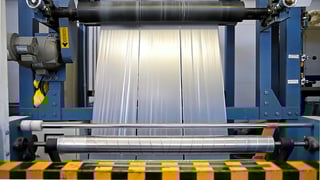
Identification of a Non-Obvious Contaminant on Polymer Film
Key Takeaways A major packaging manufacturer was experiencing intermittent heat seal failures on a polymer film that should have behaved consistently. Dyne pens showed no difference between good film and bad film, which initially misled the team. Brighton Science identified a subtle contaminant...
Read
Topics: